In many care homes, gardens are simply seen as pleasant outdoor spaces—nice to have, but not essential. At Wildlife For Wellbeing, we see nature enrichment as something far more powerful: living, breathing wellbeing tools. When residents—especially those with limited mobility, dementia, or poor mental health—are given meaningful ways to interact with nature and wildlife in their own gardens, the benefits can be truly transformative.
Whether it’s watching visiting birds through a window, tending a small pot of herbs, or exploring the garden with a wildlife camera, nature offers experiences that stimulate, soothe, and connect. In this blog, we explore the deep, evidence-backed benefits of bringing nature enrichment directly to care homes.
⸻
Nature Is a Natural Healer
One of the most immediate and noticeable benefits of nature enrichment is its impact on emotional wellbeing. Care home residents often face anxiety, loneliness, or depression as they adjust to new routines, health challenges, or reduced independence. Nature provides relief in a way that feels effortless and gentle.
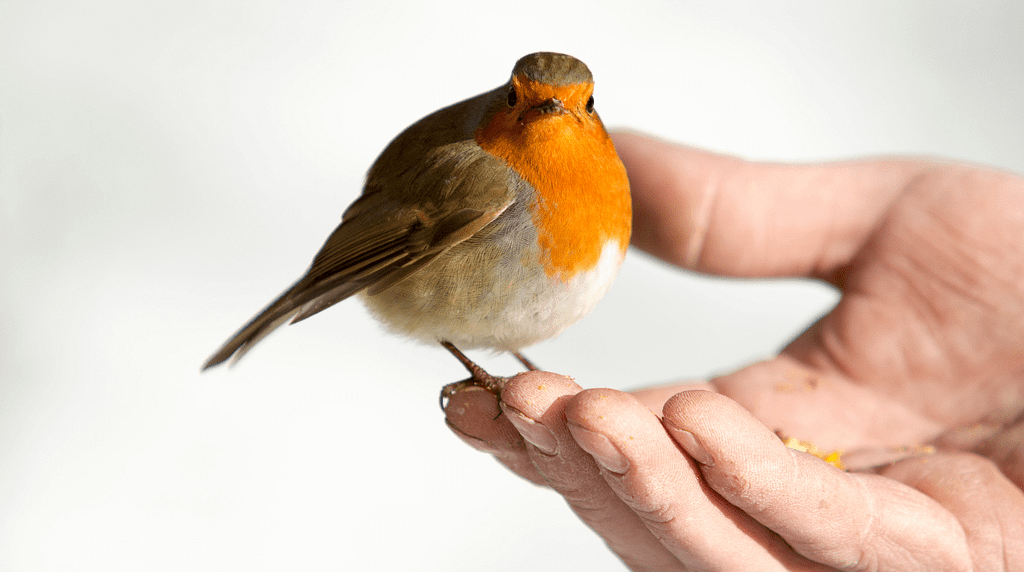
A bird landing on a feeder, the rustle of leaves, sunlight moving across a flowerbed—these small sensory moments trigger calming responses in the brain. They reduce cortisol, ease agitation, and promote feelings of safety and contentment. For residents with poor mental health, daily exposure to outdoor spaces or garden wildlife creates natural mood-lifting experiences. Over time, these moments add up to better resilience and a more positive outlook.

⸻
Supporting Dementia Care with Gentle Engagement
For those living with dementia, nature enrichment offers unique therapeutic value. While complex conversations or unfamiliar environments can feel overwhelming, nature operates on a deeper sensory level that doesn’t require memory, language, or logical thinking to be meaningful.
The sight of birds fluttering around a feeder, the familiar scent of lavender, or the warmth of sunlight on the skin can spark recognition, calmness, or recollection. Even residents in advanced stages of dementia respond positively to sensory cues from nature.
Wildlife cameras add a magical layer to this. When carers share clips of hedgehogs, foxes, or birds from the garden, residents are invited into gentle curiosity: Who visited last night? Will they come again? These predictable, soothing stimuli help reduce confusion, ground residents in the present moment, and often spark memories of past gardens, pets, or countryside walks.
Outdoor time is also known to reduce behaviours associated with dementia, such as wandering, restlessness, or sundowning. Nature enrichment supports emotional regulation naturally—no instructions, no pressure, just presence.
⸻
Physical Benefits That Don’t Require Physical Strength
Many care home residents are limited by mobility issues, chronic illness, or pain. The wonderful thing about nature enrichments is that it supports physical health even when residents don’t feel able to be “active” in the traditional sense.
Exposure to natural light helps regulate circadian rhythms, improving sleep patterns—something many older adults struggle with. Fresh air improves respiratory health. Simply sitting outdoors encourages subtle but meaningful physical movements: turning the head to follow a bird, reaching out to touch a flower, or shifting position to feel the sun.
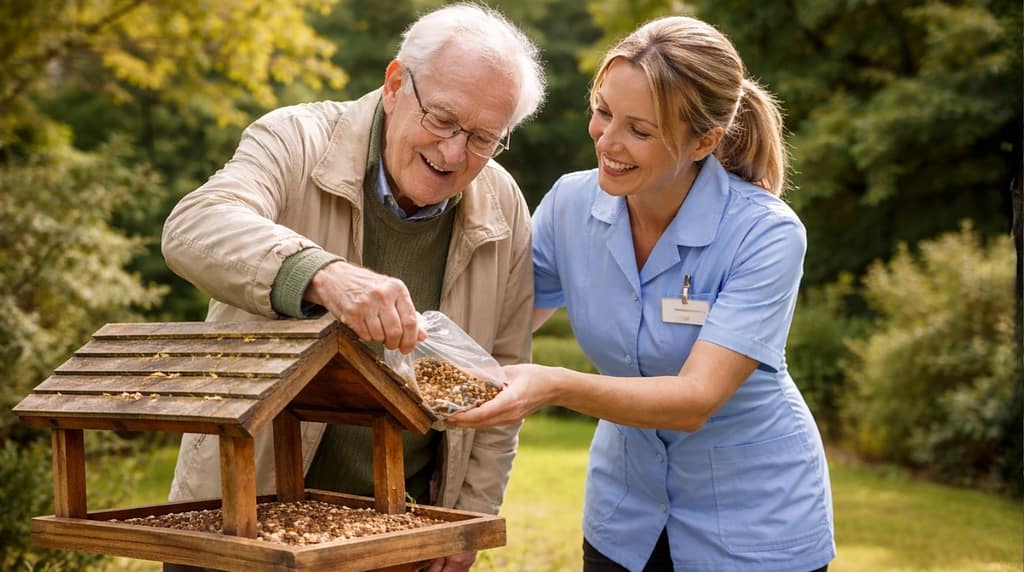
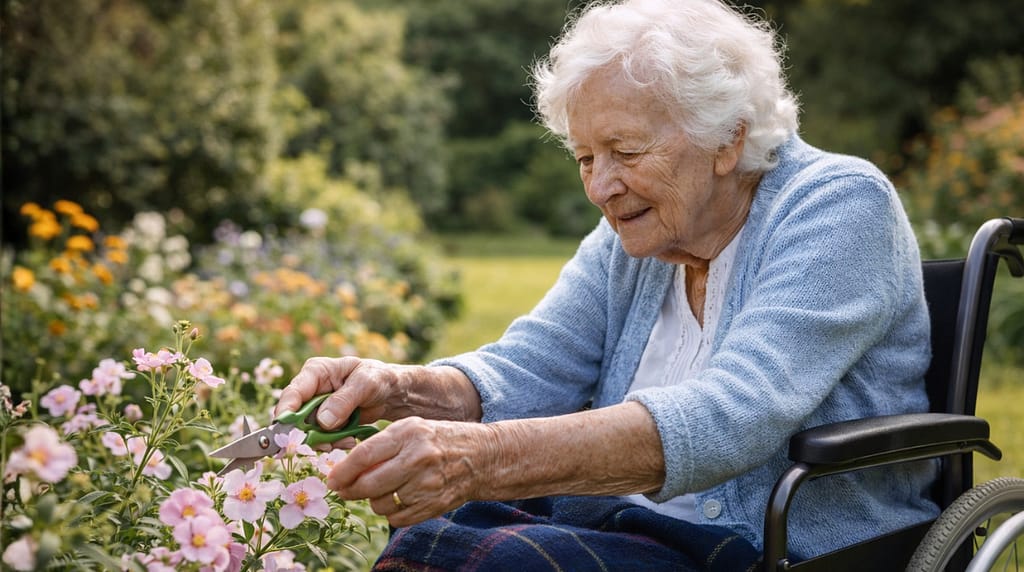
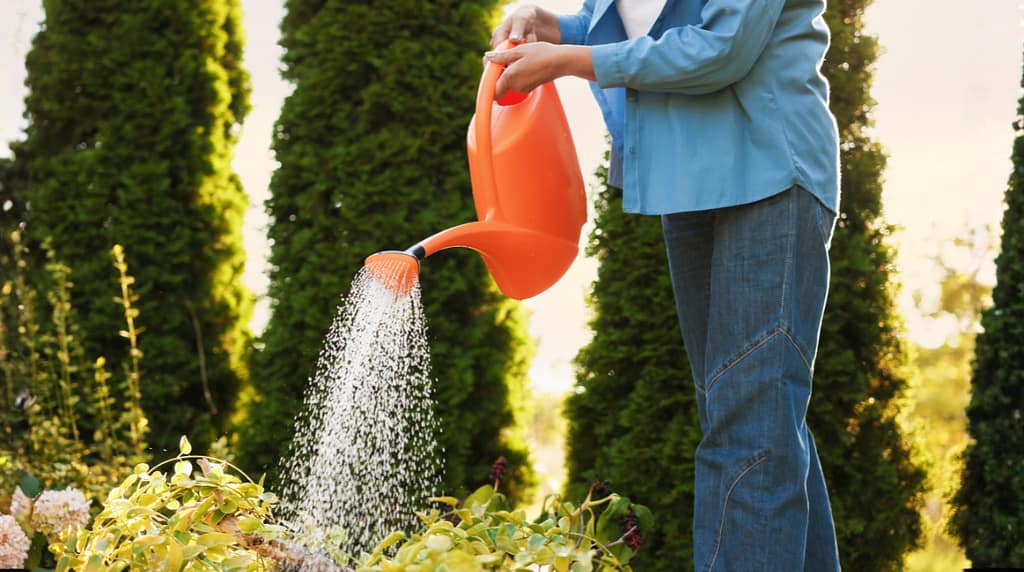
And for those who can do a little more, low-effort gardening tasks—watering pots from a seated position, planting bulbs, or filling a bird feeder—help maintain dexterity and range of motion. These tasks provide purpose without pressure, keeping residents engaged in physical life at a level that feels safe and achievable.
⸻
Reducing Loneliness by Creating Shared Moments
Loneliness is one of the most significant challenges in care settings. Residents may struggle to form new bonds, feel disconnected from family, or experience reduced confidence in social situations. Nature acts as a social catalyst—an easy conversation starter, a shared point of interest, and a source of communal enjoyment.
Wildlife cameras are particularly powerful here. When clips of nocturnal visitors are shared in common areas, they give residents something delightful to talk about:
“Did you see the hedgehog last night?”
“Look at the robin building its nest!”
Even those who find socialising difficult often feel comfortable commenting on wildlife. Group nature activities, from bird-watching mornings to seasonal flower-potting, help residents bond naturally, reducing feelings of isolation and strengthening community.
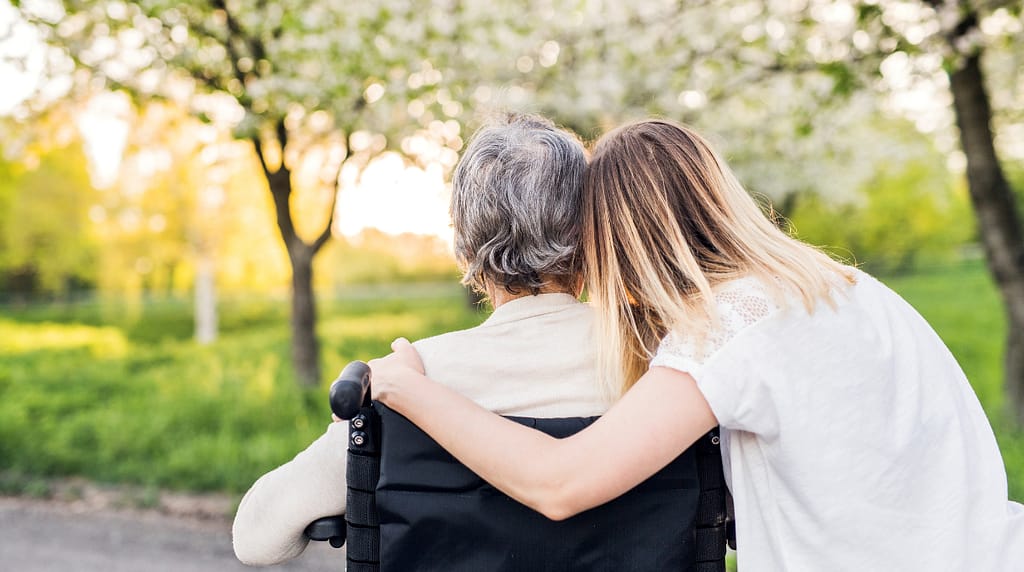
Staff benefit too. Sharing nature moments becomes a positive bridge between residents and carers, helping nurture warmth, connection, and trust.
⸻
Cultivating a Sense of Purpose and Identity
One of the most painful losses faced by older adults is the loss of roles—the identity of being a gardener, a homemaker, an animal lover, or simply someone who took care of things. Nature enrichment allows residents to reclaim that sense of purpose.
A resident who once loved gardening might rediscover pride in tending a small plant. Someone who enjoyed wildlife walks might find joy in looking after a bird feeder or reviewing wildlife camera footage. Even residents unable to do hands-on tasks can take on meaningful roles: identifying wildlife, predicting garden visitors, or helping decide where to place feeders and cameras.
These moments foster self-esteem and reinforce personal identity. Purpose becomes part of everyday life again.
⸻
Gentle Sensory Stimulation that Enriches Daily Living
For residents with cognitive impairment or reduced sensory awareness, nature provides accessible, multi-sensory engagement:
Visual
- Colours
- Movement
- Wildlife
Auditory
- Birdsong
- Wind
- Water
Olfactory
- Herbs
- Flowers
- Soil
Tactile
- Bark
- Stone
- Leaves
- Petals
These experiences help maintain sensory processing, reduce withdrawal, and create predictable, comforting interactions with the world. Many residents who find indoor settings overstimulating or confusing feel more grounded outdoors.
⸻
A Connection to the World Beyond the Care Home
A garden alive with wildlife dissolves the boundary between “inside the care home” and “outside in the world.” It reminds residents of the life that continues all around them—the passing seasons, the visiting creatures, the ongoing rhythms of nature.
For many, this brings comfort, orientation, and a renewed sense of belonging to something bigger and more vibrant than their immediate environment. Even residents unable to go outdoors can enjoy this connection through windows, wildlife cameras, or staff-shared updates.
At Wildlife For Wellbeing, we see over and over again how these moments enrich quality of life in profound ways.

⸻
Bringing Wildlife to Your Care Home
Our mission is simple:
We help care homes unlock the therapeutic power of nature and wildlife for every resident, regardless of mobility, cognition, or health challenges.
Through wildlife cameras, activity packs, and tailored nature-based wellbeing programmes, we make it easy and joyful to bring the outside world in.
If you’d like support creating a wildlife-friendly wellbeing programme for your care home, we’d love to help.
Book Your Free Consultation
The indoor/ outdoor barrier is officially broken. We ensure every resident, regardless of physical or cognitive ability, can continue to experience the joy and comfort of the natural world.
Let’s bring the great outdoors into your care home—and let nature do what it does best.